Las ruedas industriales pueden parecer componentes simples, pero el rendimiento de todo un carro, estación de trabajo o herramienta de manipulación de materiales a menudo depende de la elección del tipo adecuado. Soportan cargas pesadas a diario, pero debido a su pequeño tamaño, rara vez se notan, hasta que empiezan a fallar.
Si se está preparando para reemplazar ruedas viejas o necesita una mejor opción para un equipo nuevo, revisar los factores a continuación lo ayudará a tomar una decisión confiable y rentable.
1. Comprensión de las dimensiones de las ruedas
El diámetro importa
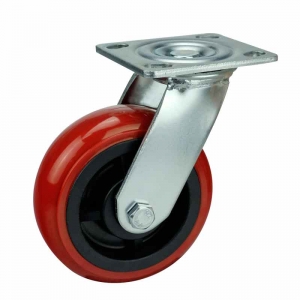
El diámetro de las ruedas afecta la facilidad con la que el equipo comienza a moverse. Las ruedas más grandes ruedan sobre escombros con mayor facilidad y reducen el esfuerzo necesario para empujar o jalar. Antes de pedir repuestos, mida el diámetro de sus ruedas actuales o evalúe la altura libre requerida. Las ruedas de mayor tamaño pueden mejorar la movilidad, pero también pueden alterar la altura o el equilibrio de la carga.
Para medir, coloque la rueda plana y mida en línea recta a través de su superficie a través del punto central.
Ancho y estabilidad de las ruedas
El ancho de una rueda giratoria influye directamente en el peso que puede soportar con seguridad. Las ruedas anchas distribuyen la carga con mayor eficacia y se recomiendan para maquinaria pesada. Para aplicaciones donde la agilidad es más importante, suelen preferirse las ruedas más estrechas.
Mida el ancho de la banda de rodadura de la rueda de un lado al otro mientras la rueda está en posición vertical.
2. Selección del tipo de rodamiento adecuado
El diseño del rodamiento determina la suavidad de giro de una rueda y su capacidad para soportar diferentes condiciones de carga. Los tipos más comunes incluyen:
-
Rodamientos de rodillos: ideales para cargas pesadas porque distribuyen el peso a lo largo de la superficie del cojinete.
-
-
Rodamientos de bolas: proporcionan un rodamiento sin esfuerzo y son adecuados para equipos livianos o que se mueven con frecuencia.
-
-
Cojinetes Delrin: una alternativa de plástico duradera que funciona bien en áreas húmedas, pero que no debe usarse donde haya mucho calor.
3. Comparación de materiales de ruedas
El material de las ruedas influye considerablemente en su durabilidad, nivel de ruido y compatibilidad con las superficies del suelo. Una selección incorrecta suele provocar un desgaste prematuro.
Ruedas fenólicas
Estas ruedas son conocidas por su excelente capacidad de carga y resistencia a altas temperaturas. Ofrecen una resistencia similar a la de las ruedas metálicas, pero sin rayar el suelo.
Ruedas de acero
La opción más resistente para cargas extremas. Su desventaja es que puede dañar el suelo, especialmente las superficies más blandas.
Ruedas de goma blanda/estilo Performa
Rodan silenciosamente y con suavidad, pero pueden comprimirse con cargas prolongadas y deformarse. No se recomiendan para entornos aceitosos.
Ruedas de poliuretano
Una opción versátil, ideal para diversos tipos de suelos. Mantienen su forma bajo carga, funcionan silenciosamente y son resistentes a aceites y humedad.
Ruedas de poliolefina
Un material de rueda económico y resistente a los productos químicos. Aunque son más ruidosos que otros tipos, funcionan bastante bien en alfombras y suelos de uso general.
4. Evaluación del entorno operativo
Las condiciones ambientales juegan un papel importante a la hora de determinar qué máquina de lanzar funciona mejor.
Exposición a la temperatura
Las altas temperaturas pueden ablandar las ruedas de caucho o poliuretano, mientras que las bajas temperaturas pueden quebrar ciertos materiales. Los rodamientos sin sellar también pueden perder lubricación en ambientes cálidos. Las operaciones de almacenamiento en frío pueden requerir lubricantes especiales o ruedas con clasificación de temperatura.
Salas limpias o áreas higiénicas
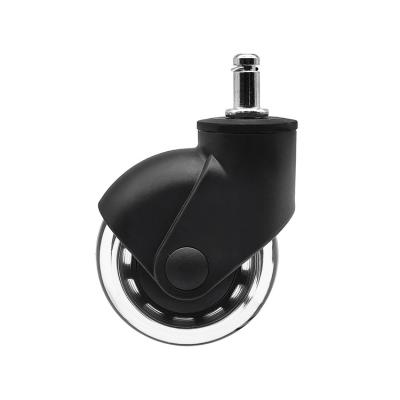
Para entornos sanitarios, elija ruedas con superficies lisas y no porosas. Se recomiendan componentes cromados u otros acabados fáciles de limpiar, ya que resisten la exposición frecuente a los productos de limpieza.
Condiciones de la superficie del suelo
Los suelos rugosos o el hormigón irregular suelen requerir ruedas más blandas para reducir el ruido y absorber la vibración. Las ruedas más duras pueden rodar con mayor eficiencia en suelos lisos y nivelados, pero podrían dejar marcas o dañar el suelo.
Reflexiones finales
Las ruedas pueden ser pequeñas, pero su impacto en la eficiencia, la seguridad y el flujo de trabajo es significativo. Elegir la combinación correcta de tamaño de rueda, tipo de rodamiento y material puede prolongar la vida útil del equipo y reducir el tiempo de inactividad.
Si no está seguro de qué rueda es ideal para su entorno, consultar a un proveedor experto puede garantizar que reciba la solución más adecuada para su aplicación.